


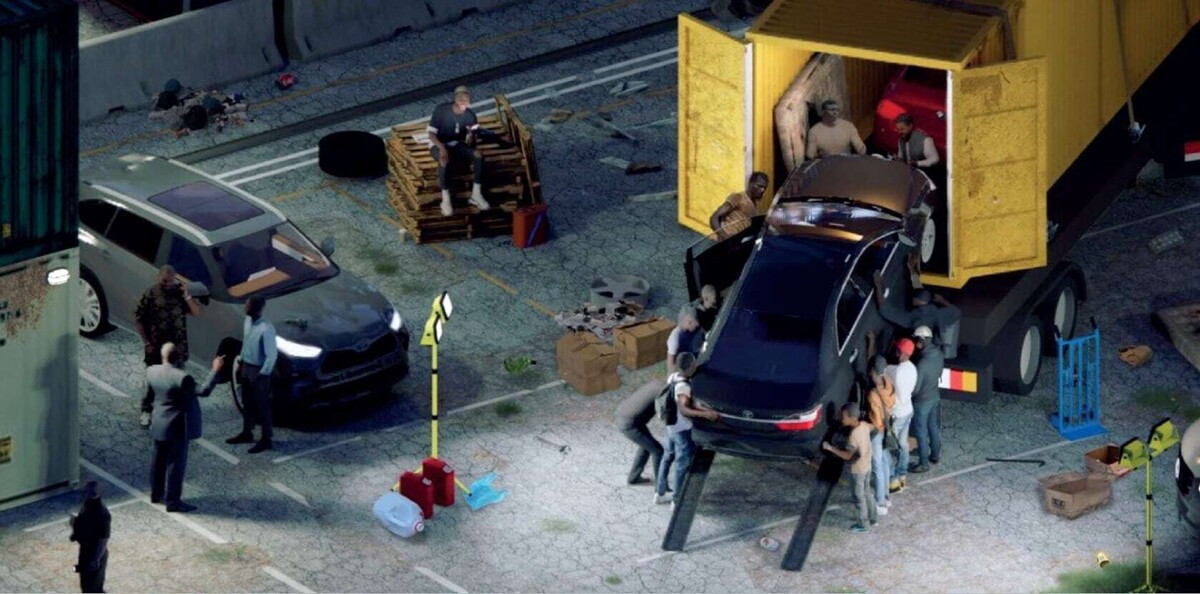
In cities like Accra, even in stable and prosperous countries, the circulation of stolen vehicles is noticeable. In 2023, Ghanaian officials alongside FBI agents identified 95 stolen vehicles of American origin at used car dealerships in the capital of Ghana. Eleanor Beevor, a senior researcher at the Global Initiative Against Transnational Organized Crime, described the lack of local government control that allows these vehicles to circulate without being properly investigated for their legal provenance.
This is organized crime that uses stolen vehicles and parts as currency in illegal activities ranging from drug trafficking to acts of terrorism. The thieves, many of them young, operate surprisingly brazenly, committing multiple thefts in a short time. They venture into affluent neighborhoods in search of luxury vehicles, being hindered only by watchmen and workshop owners seeking to prevent these actions.
Thieves utilize social media to coordinate sales and purchases of stolen vehicles and employ tactics such as posting on Instagram to sell cars that are not quickly placed. Criminal activities, such as vehicle theft, have seen an alarming 30% increase since early 2020, leading to extreme measures by owners and authorities to protect themselves against these criminal acts.
One of the most notable cases was that of a 12-year-old boy who stole several luxury vehicles in a short period of time, highlighting the magnitude of this problem. Gangs specialized in the export of stolen cars to Africa operate organized to acquire the most in-demand vehicles in those markets, such as Range Rovers and Toyotas.
Despite efforts to control this criminal activity, thieves continue to adapt, finding creative ways to evade the law. Tracking technologies and security measures in vehicles have not been enough to stop this growing wave of thefts and illegal exports. The lack of resources and the complexity of organized crime related to stolen vehicles present an ongoing challenge for local and federal authorities.